The last Volvo 240s have been the best
What would you do if you launched a great new product, but your customers still wanted the old one? Volvo’s solution: Just ride both waves. Volvo has had experience with such situations and the strategy has always been the same: continue building the old as long as it brings in sales. For example, the Volvo Duett from the 1950s, which was built parallel to the Amazon and the Volvo 140 until 1969. With the Volvo 240, they did exactly the same. Until its final end on May 5, 1993, thirty years ago.
The end was actually supposed to happen much earlier — or so they thought. In 1982, the 700 series came onto the market, initially with the top model 760. And with that, the new model quite quickly replaced the up-market engine and equipment variants of its predecessor, like the Turbo and the 260. However, the Volvo 240 still sold amazingly well, reaching an all-time record of over 225,000 units in the 1984 model year. Only with the competition of the four-cylinder model Volvo 740 the production numbers of the 240 decreased gradually, but the predecessor remained well in the race.
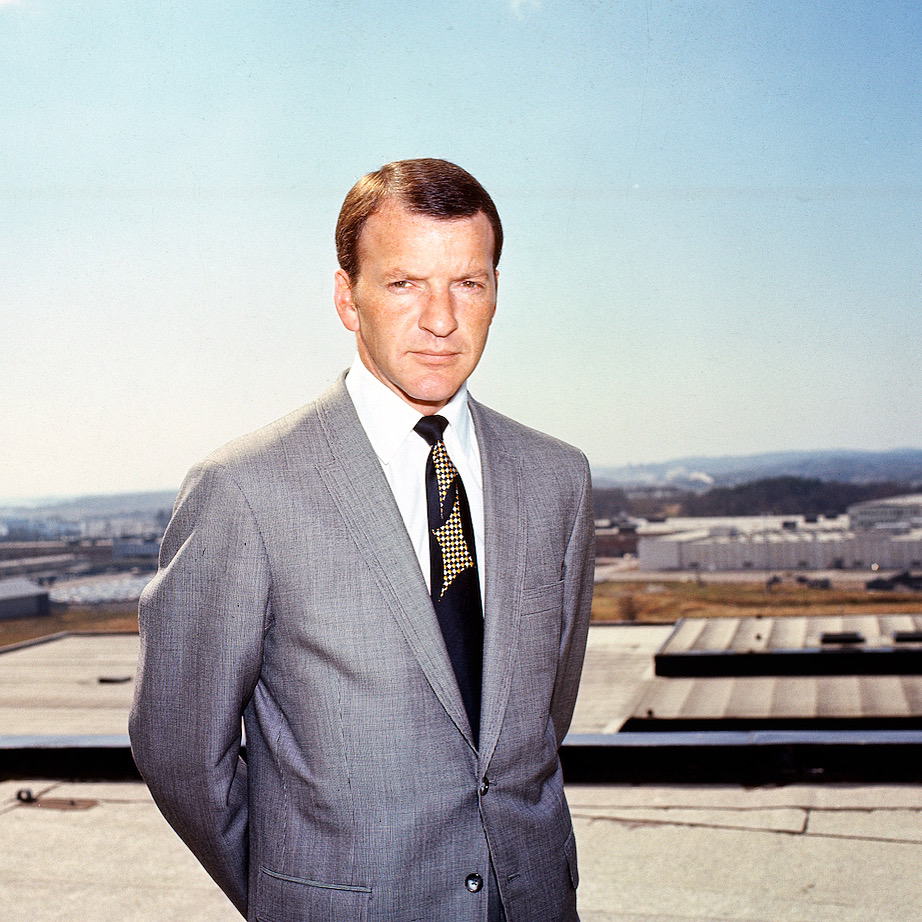
So well, in fact, that Volvo did not want to do without its former bestseller. In 1988, Roger Holtback, the president and CEO of Volvo Personvagnar, established a separate stand-alone company for the 240 within Volvo Personvagnar, with the aim of drawing attention to the car and ensuring that it was not overshadowed by other models. Since the 240 accounted for one-third of production and profits, Volvo made an effort to further develop the car to sustain it into the 1990s. The 240’s solid construction and competitive pricing played an important role.
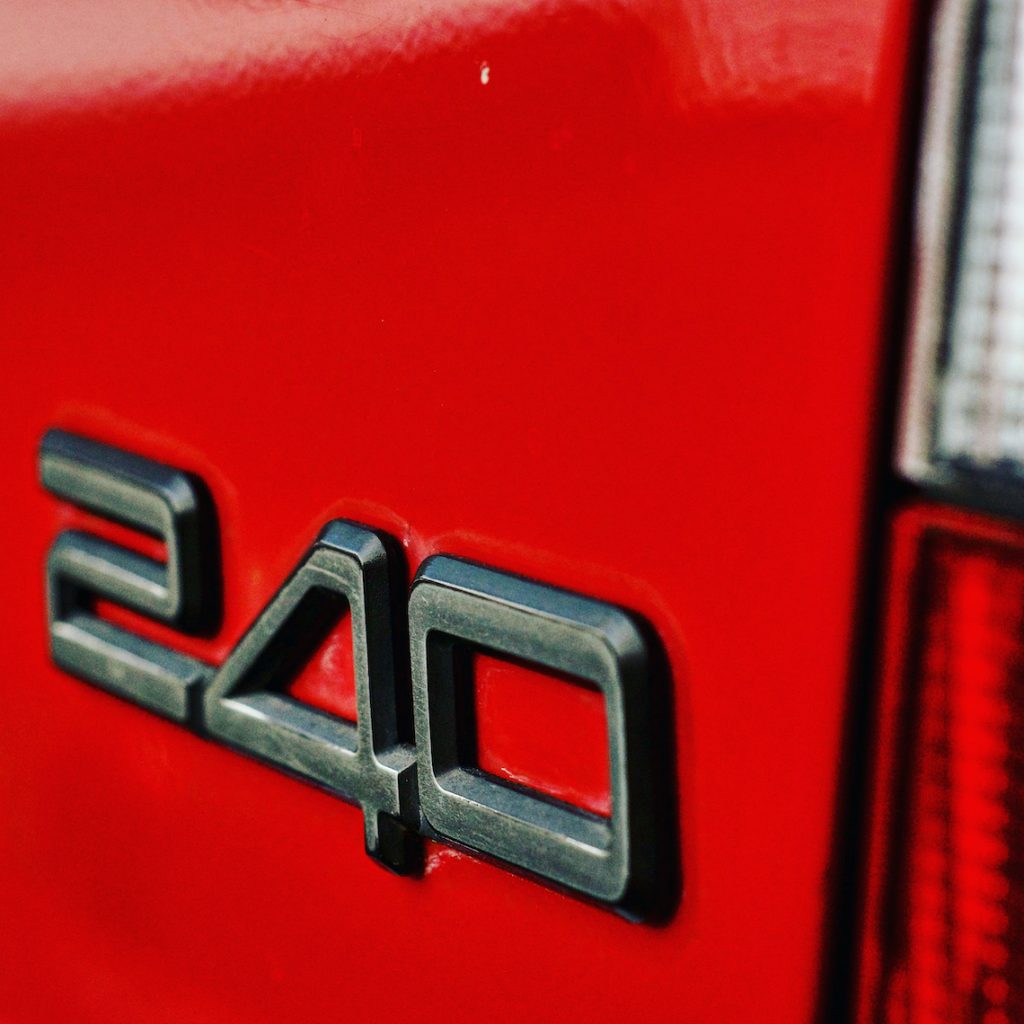
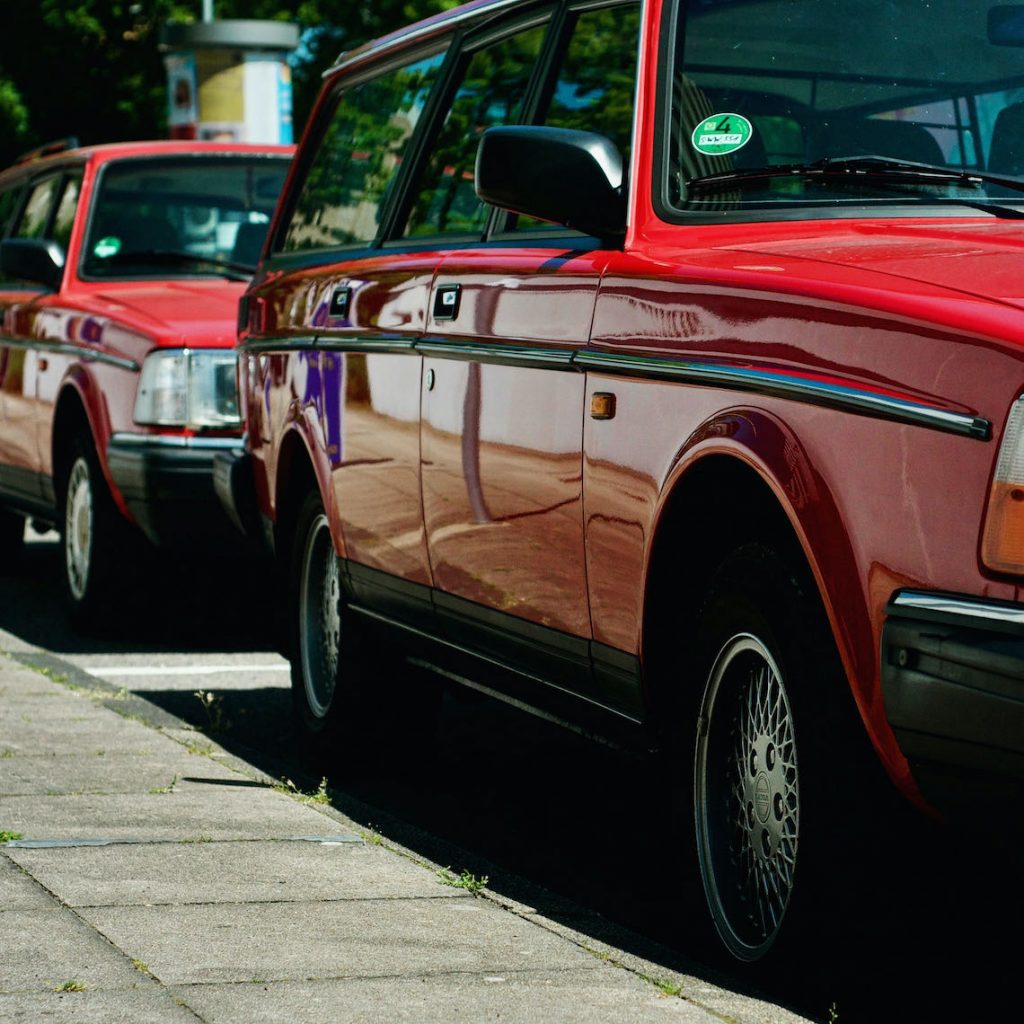
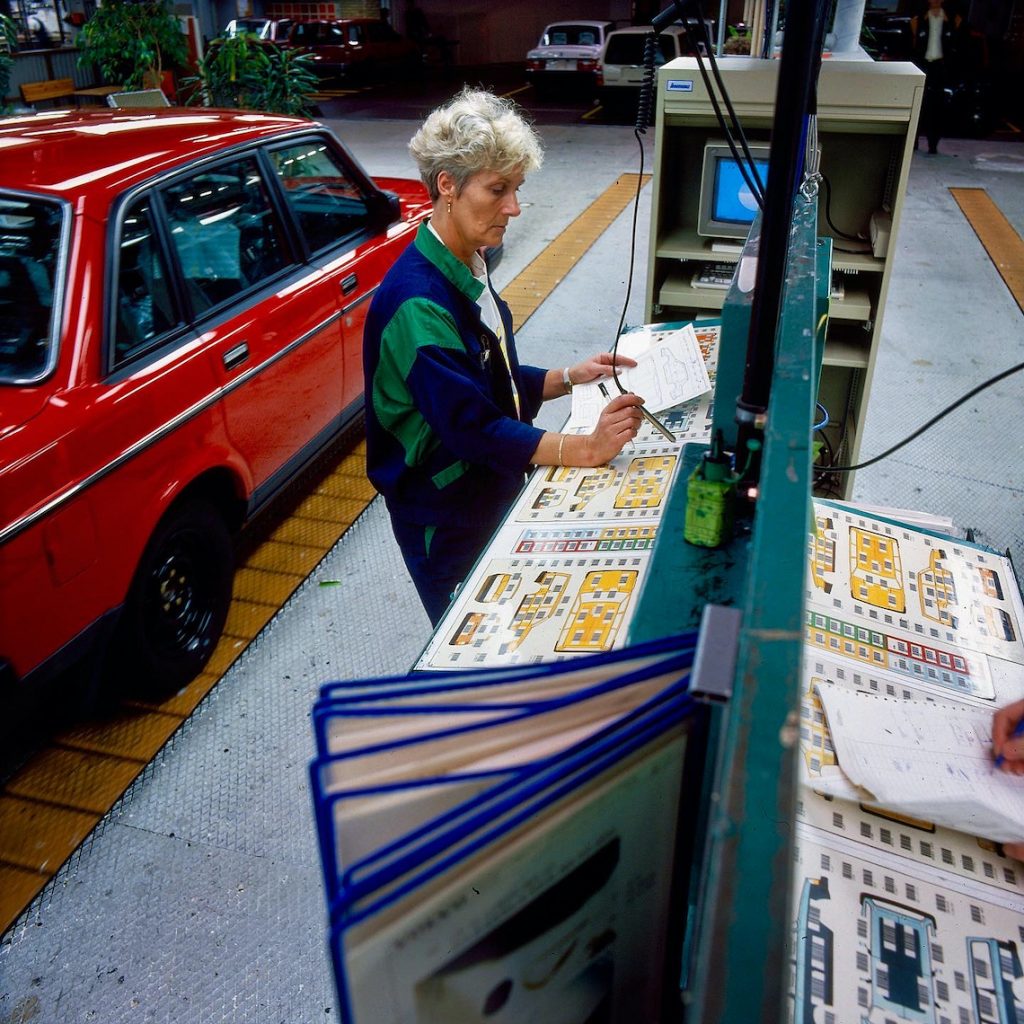
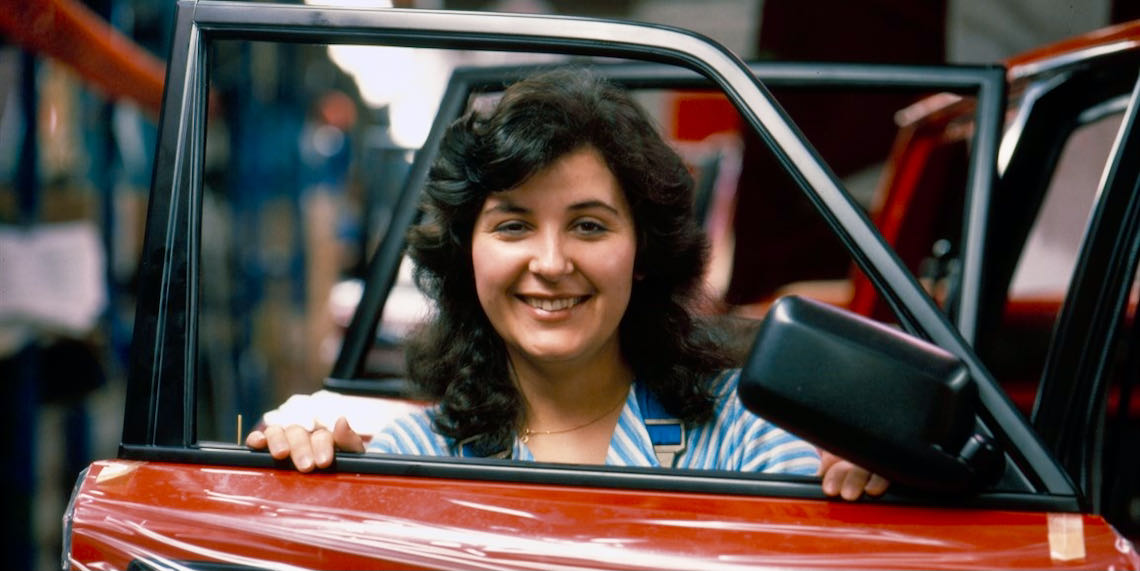
The new organization was called 240-bolaget, translated as “240-company,” and was responsible for the final phase of production and updating of the Volvo 240 series. Its goal was to cautiously improve the quality of the cars and make improvements in design, safety and comfort in order to continue to serve the attractive entry-level market.
The company with its 40 employees was responsible for all updates made in the car’s final years of production, such as the introduction of a new tailgate on the station wagons, anti-lock brakes and airbags, new front seats, more robust windshields, suspension improvements, and updates to the electrical system. Other improvements were discarded for cost reasons, such as the introduction of a split rear bench in the station wagon.
240-bolaget was given a new office building near the production line 2:7-2 for the 240 in Torslanda, where it would oversee all aspects of the vehicle’s production. The organization was to serve as a model for other areas of Volvo Personvagnar and develop quality surveys to evaluate customer satisfaction.
And they achieved many important results, including building an organization with short decision-making paths, effective communication, simplicity and competence. The relationship between workers and employees improved, and new competencies were developed. These efforts contributed to higher productivity, quality improvement and cost per vehicle rationalization.
The marketing department also had great success with special editions, which were now strongly oriented towards the “classic” image of the Volvo 240. The best known are probably the “Polar” models for the Italian market, which were very successful from the 1990 model year onwards, especially among young families. We had one just like it as our first family Volvo, and it even had air conditioning.
Or the Swiss “Classic” and “Super Classic” editions we know so well, the “Tørslanda” in the UK, the SE “Special Edition” in Sweden, the “Family Edition” in Germany, the “Tack” edition (which means “thank you” in Swedish) in Japan – which marked the beginning of the farewell in many markets.
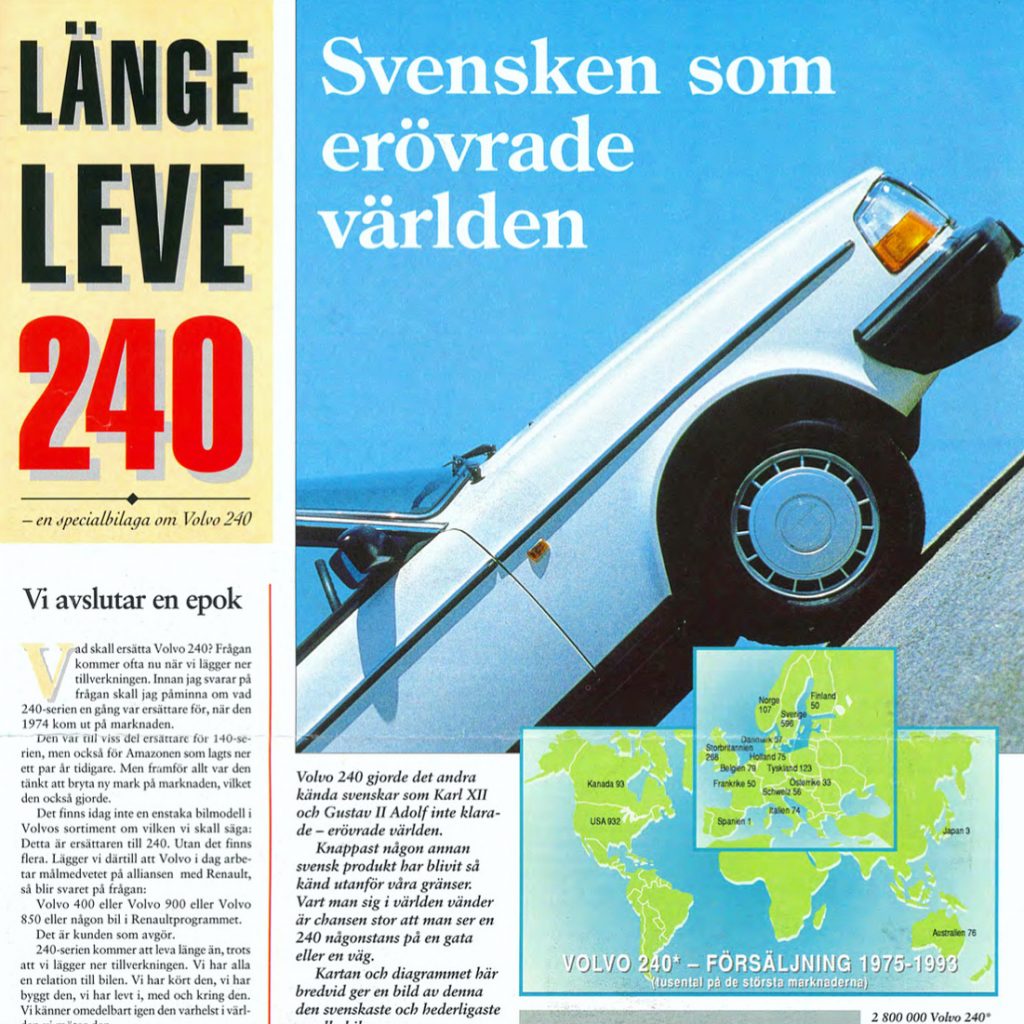

But the end was near in 1993. Production of the Volvo 850, the successor to the Volvo 240, had been ramping up since 1991. And on May 5, 1993 the time had finally come. The last Volvo 240 was built. And the 240-bolaget organization, which in the meantime had become a close-knit group also in human terms, was about to break up. Nevertheless, the 240-Bolaget’s efforts continued and goals were set for the last months of 240 production: The last cars should be the best of all 240s, or in Swedish: „Den Sista Volvo 240, den bästa“.
And when Volvo CEO Pehr Gyllenhammar handed over the very last Volvo 240 station wagon to its new owners at the farewell ceremony on May 7, 1993, he said: “We built the safest car in the world, which is already a living legend and will be even more so in the years to come.”
“The 240-bolaget has been an organization with a soul – a group of people, each unique and important to the whole, and all driven by a common purpose. This task has been to continually improve the 240 so that our customers get a fashionable car with great value for money and to manage the 240 as a „Classic up to date“.”
Sven Eckstein, 240 bolaget, 1993
Sources:
- https://www.volvo200.org/volvo/240bolaget.htm
- 240-bolaget. Ett framgångsrikt arbetssätt. AB Volvo, 1993.
- Länge leve 240. – en specialbilaga om Volvo 240. AB Volvo, 1993.
- Images: © Volvo Car Group, Gothenburg